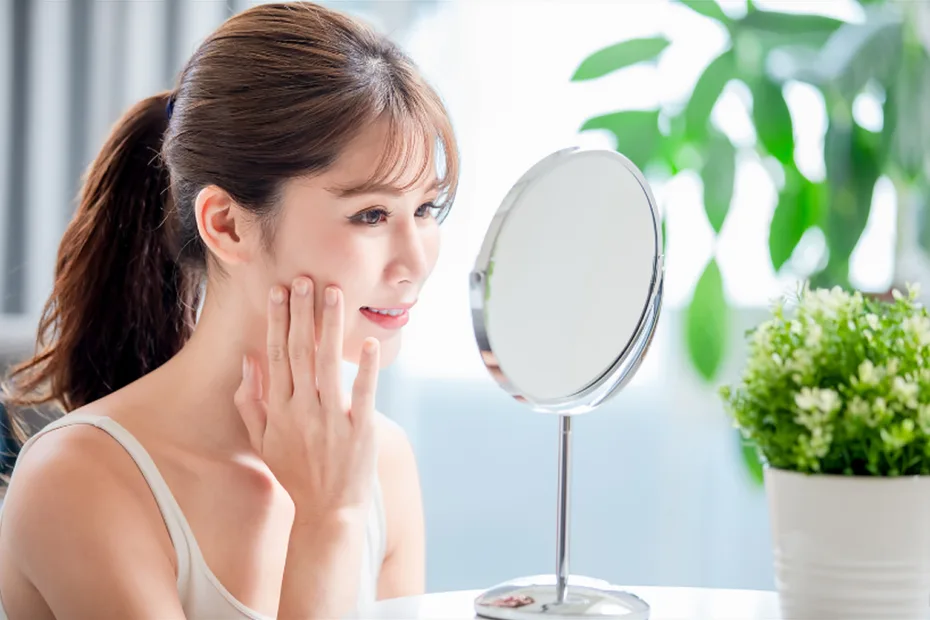
If you’ve spent any time on social media over the past few years, you’ve seen it: that luminous, almost translucent Korean complexion that looks so smooth and radiant it appears to reflect light. The internet calls it glass skin, and it has sparked a billion-dollar beauty movement globally. But most of the content around it either stops at a ten-step skincare routine or dismisses it as an unattainable filter-enhanced fantasy.
The truth is somewhere more interesting. Glass skin is a real, achievable skin condition — and for many people in Singapore, the gap between where their skin is now and where they want it to be isn’t filled by another serum. It’s filled by the right combination of in-clinic aesthetic treatments.
Here’s what glass skin actually means, why Singapore’s climate works against it, and what treatments can get you there.

What Is Glass Skin and Where Did It Come From?
The term originates from the Korean phrase “yuri pibu,” meaning a complexion so even, smooth, and hydrated that it reflects light the way glass does. As MDLinx notes in its clinical breakdown of the trend, glass skin should not be mistaken for poreless perfection — that’s a filter. What it actually describes is achieving one’s healthiest skin: deeply hydrated, even in tone, smooth in texture, and naturally luminous from within.
The K-beauty movement popularised the idea through multi-layered skincare routines, and the global aesthetic medicine industry picked it up from there. What K-pop stars and Korean celebrities achieve isn’t purely down to a 10-step routine — it involves consistent in-clinic skin maintenance, skinboosters, laser treatments, and professional facials that support the skin from the inside out.
Why Singapore’s Climate Makes Glass Skin Harder to Achieve
Singapore’s heat and humidity feel like they should be good for the skin, but the reality is more complicated. High ambient humidity does reduce transepidermal water loss, which is a point in our favour. But the combination of air conditioning, UV exposure, pollution, and equatorial sun creates a set of conditions that actively work against the smooth, hydrated, even-toned complexion that glass skin requires.
Air conditioning strips moisture from the surface of the skin for hours each day, leaving it dehydrated even when the outer layer feels normal. Year-round UV exposure drives pigmentation, breaks down collagen, damages the skin barrier, and causes the uneven tone and rough texture that make glass skin impossible to achieve without intervention. Pollution and free radical damage from urban living in Singapore degrades skin quality over time, dulling the complexion and accelerating aging at the cellular level.
The result for most people is skin that is simultaneously dehydrated, pigmented, uneven in texture, and lacking in the deep structural hydration that gives glass skin its characteristic luminosity. No serum alone fixes this. A multi-pronged treatment approach does.

What Glass Skin Actually Require?
Achieving glass skin in a clinical context means addressing four simultaneous goals: deep hydration from within the skin; evening out skin tone including pigmentation, redness, and sun damage; smoothing skin texture including pores, fine lines, and roughness; and building up the skin’s structural integrity through collagen and elastin support.
The Treatments That Build Glass Skin in Singapore
Skinboosters: Hydration From Within
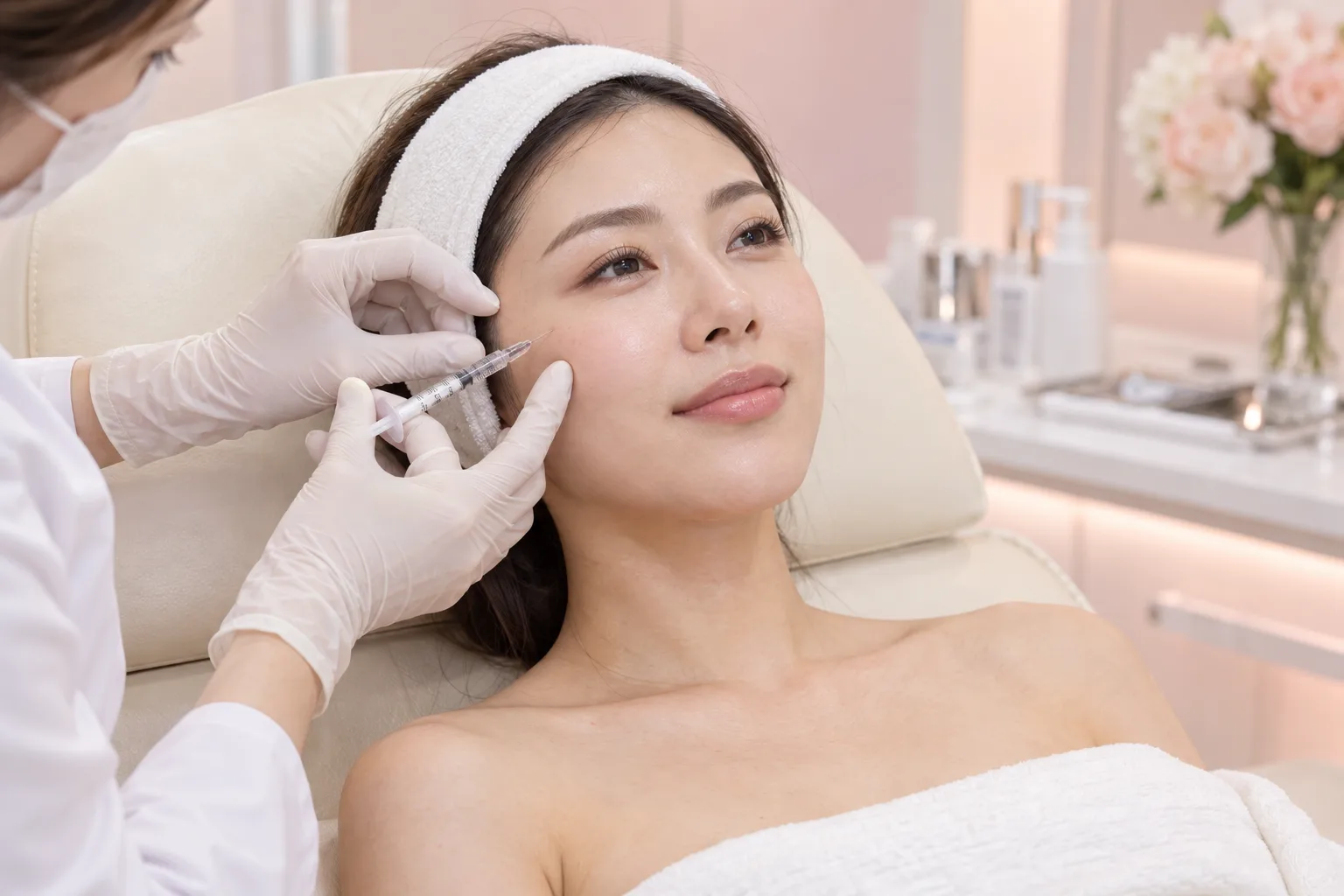
The single most defining characteristic of glass skin is the light-reflecting quality that comes from deep, structural hydration — the kind that skincare products applied topically simply cannot replicate. Skinboosters address this directly by delivering hyaluronic acid, polynucleotides, vitamins, and growth factors directly into the dermis, where they hydrate the skin from within and stimulate collagen production.
Profhilo uses the highest concentration of pure hyaluronic acid of any injectable on the market, delivering intense bio-remodelling hydration and stimulating four types of collagen and elastin. Rejuran works at the cellular level using polynucleotides to repair damaged skin cells, strengthen the skin barrier, and stimulate collagen synthesis. Redensity 1 combines hyaluronic acid with a comprehensive mix of amino acids, antioxidants, and vitamins to nourish and brighten a dull, stressed complexion.
Laser Treatments: Evening the Canvas
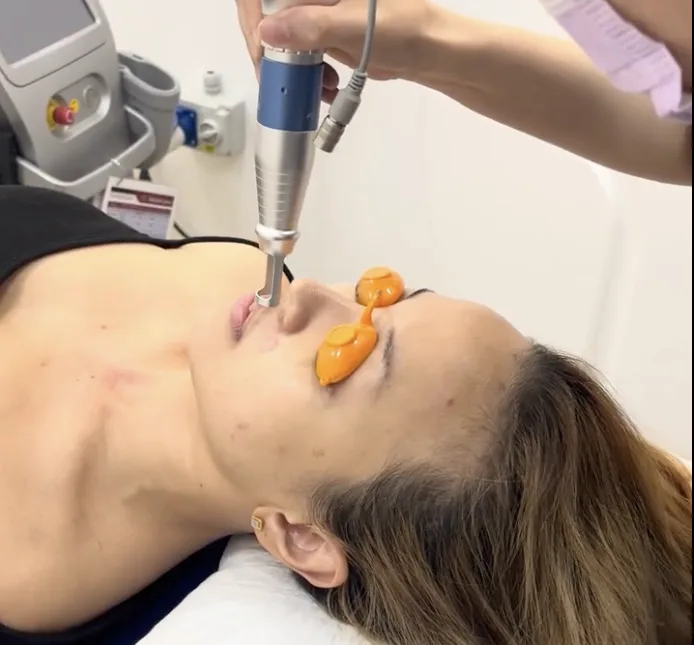
No amount of hydration will produce glass skin on a complexion that is uneven in tone, pigmented, or sun damaged. Pico Laser uses ultra-short picosecond pulses to shatter pigment particles without generating heat that can cause post-inflammatory hyperpigmentation in darker skin tones — progressively evening out skin tone, clearing sun damage, improving pore appearance, and producing a brightening glow effect. For deeper textural concerns, the Fractional CO2 Laser provides more intensive resurfacing with greater collagen-stimulating power.
Aqua Facials: Instant Glow, Ongoing Maintenance
Aqua Facials offer a non-invasive, zero-downtime option that combines deep pore cleansing, exfoliation, and nourishing infusions in a single session. The vortex suction technology removes dead skin cells and impurities while simultaneously infusing hydrating serums, producing immediate brightness, smoother texture, and visibly refined pores — ideal as ongoing maintenance between deeper clinical treatments.
Clarity II Laser: The Glass Skin Glow Treatment
The Clarity II Laser is a dual-wavelength laser that targets both pigmentation and vascular concerns in a single session. For patients whose main glass skin barrier is an uneven complexion, Clarity II delivers a toning and brightening effect that makes the skin look clearer, more uniform, and luminous — gentle enough for regular use and well-suited to all skin types including the Asian skin tones common in Singapore.
Building Your Glass Skin Treatment Plan
Glass skin is not a one-treatment outcome. It is the cumulative result of consistently addressing hydration, tone, texture, and skin quality over time. A practical glass skin treatment plan for most patients in Singapore might look like this: start with a course of three skinbooster sessions to build deep structural hydration; layer in regular Pico Laser or Clarity II sessions to improve tone and address pigmentation; incorporate Aqua Facials as monthly maintenance; and add a collagen-stimulating treatment — Profhilo or Ellansé — if skin laxity or structural loss is a factor.
As clinical research continues to evolve, aesthetic medicine’s role in the glass skin trend has become increasingly central. This evolution is well documented in the clinical aesthetics space, with leading practitioners increasingly integrating multiple treatment modalities into glass skin protocols.
Consult our doctor at Kowayo Aesthetic Clinic to assess your skin and build a glass skin treatment plan tailored to your complexion.