Skip to content
remove pigmentation treatment singapore

Pigmentation Removal & Laser Treatment in Singapore

Laser pigmentation treatment targets dark spots, melasma, freckles, and uneven skin tone. At Kowayo Aesthetic Clinic in Singapore, pigmentation removal options such as Pico Laser and Clarity II Laser may help reduce the appearance of skin discolouration, depending on the type of pigmentation and individual skin condition.

Skin pigmentation can appear as freckles, sun spots, melasma, or dark marks left behind by acne. Different types of pigmentation may require different treatment approaches. Understanding the underlying cause is an important first step in determining whether laser pigmentation treatment or other pigmentation management options may be suitable.


What is Skin Pigmentation?

There are two main types of pigmentation: hyperpigmentation and hypopigmentation.

Hyperpigmentation involves an overproduction of melanin, leading to dark spots or patches on the skin, commonly seen in conditions like sunspots, melasma, and post-inflammatory hyperpigmentation. On the other hand, hypopigmentation occurs when there is a loss or reduction of melanin, resulting in white spot of skin.

What causes Pigmentation and treatments

Causes of Pigmentation

Pigmentation arise when the skin produces excess melanin, which gives skin its color. Melanin is created by melanocyte cells in the basal layer of the epidermis. When the melanocytes become more active, dark patches or spots can form on the skin.

Several factors stimulate melanin. Sun exposure is a major one, leading to the development of freckles, age spots, and melasma. Hormonal changes from pregnancy or birth control can also trigger excess melanin, particularly in women.

Post-inflammatory hyperpigmentation (PIH) is common after acne breakouts, wounds, and other skin trauma. The inflammation process triggers more melanin to create dark spots as the skin heals.

Those with darker skin tones are more prone to hyperpigmentation since their melanocytes are naturally more active. Genetic predispositions, medications, and health conditions like Addison’s disease additionally influence melanin production.

What Causes Pigmentation?

sunlight

Sun Exposure

UV rays stimulate melanin production, leading to sunspots and uneven skin tone.

Hormonal Changes

Hormonal

Pregnancy, birth control pills, and hormonal fluctuations can trigger issues like melasma.

Inflammation

Inflammation

Skin inflammation from acne, eczema, or injuries may result in dark spots.

Genes

Genetics

Some individuals are genetically predisposed to certain types of pigmentation.

aging

Aging

As the skin ages, melanin production may become irregular, causing age spots.

Injuries or Trauma

Injuries or Trauma

Scarring from wounds or surgeries can lead to pigmentation changes.

Medications

Medications

Medications may increase sensitivity to sunlight.

Skin Conditions

Skin Conditions

Conditions like psoriasis or lichen planus can cause pigmentation irregularities.
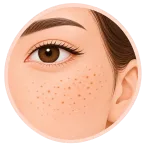
Common Types Of Pigmentation

Freckled Cheek and Eye Icon-1

Freckles

Freckles are small, flat, light brown pigmented spots that commonly appear on the face and other sun-exposed areas. They are often hereditary, may develop at a young age, and are more common in individuals with fair skin. Laser pigmentation treatment may help reduce their appearance and promote a more even-looking skin tone.
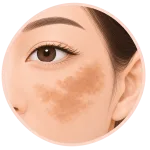
Melasma Cheek Dermatology Icon-2

Melasma

Melasma, also known as the “mask of pregnancy,” is a common skin pigmentation condition often associated with hormonal changes, particularly during pregnancy. It appears as flat, patchy brown or grey-brown pigmentation on the cheeks, forehead, and upper lip. Pigmentation treatments may help manage melasma and reduce the appearance of uneven skin tone, although recurrence is possible.
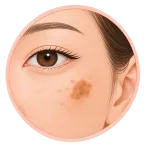
Close-Up Cheek with Age Spot-3

Age Spots / Liver Spots

Age spots, also known as liver spots, are flat, brown or dark pigmented patches that develop due to prolonged sun exposure and accumulated UV damage. They commonly appear on sun-exposed areas such as the face, hands, and arms, becoming more noticeable with age. Laser pigmentation treatment may help reduce the appearance of age spots and promote a more even-looking skin tone.
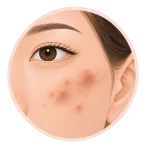
Close-Up of Hyperpigmented Cheek-4

Post-Inflammatory Hyperpigmentation (PIH)

Post-inflammatory hyperpigmentation (PIH) appears as dark brown or black patches that develop following skin inflammation, acne, or injury. It occurs when excess melanin is produced in response to skin damage and is more common in individuals with darker skin tones. Pigmentation treatment may help reduce the appearance of PIH and promote a clearer, more even-looking skin tone.

Laser Pigmentation Treatment Options in Singapore

Laser pigmentation treatment uses targeted light energy to address certain types of excess skin pigmentation. Depending on the condition, laser treatment may help reduce the appearance of dark spots, freckles, and other pigmented lesions. At Kowayo Aesthetic Clinic, Pico Laser and Clarity II Laser are among the available treatment options. A medical assessment is recommended to determine which approach is appropriate for your skin.
Pico Laser The Ultra-Short Pulse Technology for Pigmentation Removal

Pico Laser

Pico Laser is a laser pigmentation treatment that uses ultra-short picosecond pulses to target pigment particles in the skin. It may be considered for certain pigmentation concerns, including freckles, sun spots, and selected pigmented lesions. Treatment suitability depends on the pigmentation type, skin condition, and medical assessment.

clarity 2 laser treatment

Clarity II Laser

Clarity II Laser is a dual-wavelength laser system used for various skin concerns, including selected pigmentation conditions, redness, and hair removal. Its suitability for pigmentation treatment depends on the type of skin discolouration and individual skin characteristics. A doctor can assess whether Clarity II or another treatment approach is appropriate.

How to Prevent Pigmentation from Returning

Sun protection plays an important role in managing skin pigmentation, particularly in Singapore’s tropical climate. Regular use of broad-spectrum sunscreen with SPF 30 or higher, avoiding excessive sun exposure, and following a suitable skincare routine may help reduce the risk of new pigmentation developing. Certain conditions, such as melasma and post-inflammatory hyperpigmentation, may recur even after treatment. Long-term pigmentation management may involve sun protection, appropriate skincare, and follow-up assessments when necessary.

FAQ for Pigmentation Treatments

Both Pico Laser and Clarity II Laser may be used for selected pigmentation concerns, but they work differently. Pico Laser uses ultra-short pulses to target pigment particles, while Clarity II uses dual-wavelength laser technology for various skin conditions. The choice depends on the pigmentation type, skin tone, and medical assessment.

Yes, pigmentation may return after laser treatment, particularly when triggered by sun exposure, hormonal changes, or skin inflammation. Conditions such as melasma are more prone to recurrence. Consistent sun protection and appropriate skincare may help manage pigmentation over time.

The number of laser pigmentation treatment sessions varies depending on the type, depth, and severity of pigmentation, as well as individual skin response. Some pigmentation concerns may require multiple sessions. Your doctor can recommend a treatment plan following an assessment.

Common causes of skin pigmentation in Singapore include prolonged sun exposure, hormonal changes, acne, inflammation, ageing, and genetic factors. Singapore’s year-round UV exposure can contribute to freckles, sun spots, and melasma, making daily sun protection an important part of pigmentation management.

The most suitable pigmentation treatment depends on the underlying cause, skin type, and severity of pigmentation. Options may include topical treatments, laser procedures, and sun protection measures. At Kowayo Aesthetic Clinic, a medical consultation can help determine whether Pico Laser, Clarity II Laser, or another treatment approach is appropriate.

Laser pigmentation removal may reduce the appearance of certain pigmented lesions, but permanent removal cannot be guaranteed. Some types of pigmentation may recur due to sun exposure, hormonal changes, or other factors. Treatment outcomes vary according to the condition and individual skin response.

The time required for pigmentation to fade after laser treatment varies depending on the type and depth of pigmentation, the laser used, and individual healing response. Some changes may become noticeable over several weeks, while other conditions may require additional sessions. Your doctor can explain the expected treatment timeline.

Laser pigmentation treatment may cause mild discomfort, often described as a snapping or warming sensation on the skin. The level of discomfort varies depending on the laser settings, treatment area, and individual sensitivity. Your doctor can discuss appropriate comfort measures before treatment.

Downtime varies depending on the laser treatment and individual skin response. Temporary redness, swelling, sensitivity, or darkening of treated spots may occur. Some treatments require additional recovery time, and your doctor will provide suitable aftercare instructions.

Certain laser treatments may help reduce the appearance of dark marks caused by post-inflammatory hyperpigmentation (PIH) following acne. However, not all acne marks are suitable for laser treatment, and some laser procedures may worsen pigmentation in susceptible skin types. A medical assessment is recommended before proceeding.

Pigmentation removal treatments focus on reducing specific areas of excess pigmentation, such as sun spots and freckles. Skin brightening generally refers to improving the appearance of uneven or dull skin tone. The most appropriate treatment depends on the underlying skin concern and individual needs.

Laser pigmentation treatment may be suitable for different skin types, but not every laser or treatment setting is appropriate for everyone. Individuals with darker skin tones may have a higher risk of post-inflammatory hyperpigmentation following certain laser procedures. A doctor should assess skin type, pigmentation condition, and potential risks before treatment.