
Under-Eye Fillers Myths: Separating Fact from Fiction
Under-eye fillers are one of the most misunderstood aesthetic treatments in Singapore. Misinformation about safety, pain, longevity, and unnatural outcomes often prevents people from addressing tired-looking eyes effectively. Understanding the truth behind these myths allows for better treatment decisions and realistic expectations.
Why the Under-Eye Area Ages Faster
The under-eye region has thinner skin, fewer oil glands, and weaker structural support compared to other facial areas. As collagen and volume decline, hollows and shadows become more visible, giving a fatigued appearance even when well-rested.
Many people confuse under-eye hollows with eye bags. These are different concerns and should be treated differently. Learn more about structural hollowness on the tear trough treatment page.

Myth 1: Under-Eye Fillers Are Unsafe
Under-eye fillers are often thought to be dangerous due to the delicate anatomy of the area. In reality, safety depends heavily on injector expertise, product choice, and injection technique.
When performed by experienced doctors who specialise in eye rejuvenation, complications are uncommon and risks are carefully managed. Clinics that regularly treat dark eye circles understand how to assess anatomy before treatment.
Myth 2: Under-Eye Fillers Are Painful
Pain is a common concern, but most patients describe the discomfort as mild and brief. Modern fillers contain lidocaine, and additional numbing methods are often used to improve comfort.
Compared to treatments such as Secret RF microneedling, under-eye fillers are generally well tolerated and require minimal downtime.
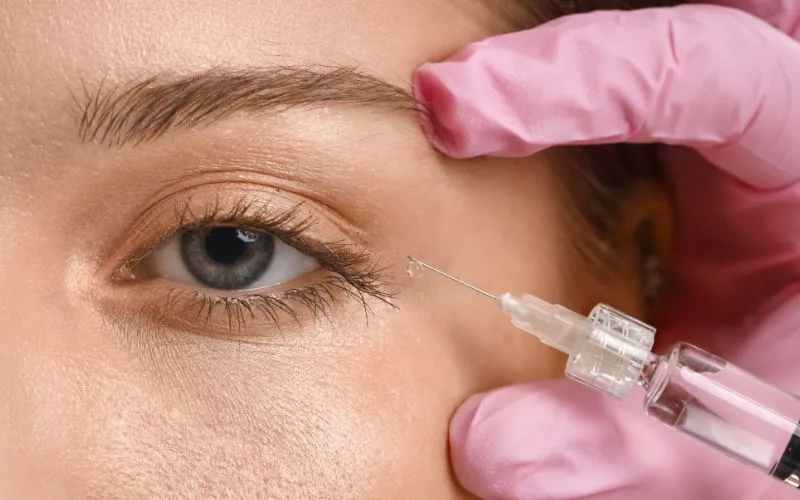
Myth 3: Under-Eye Fillers Always Look Puffy or Unnatural
Overfilled or swollen results usually occur due to incorrect filler placement or excessive product use. When done properly, under-eye fillers restore volume subtly and blend naturally with surrounding tissue.
Patients concerned about unnatural results should also understand alternative options such as Rejuran skinbooster, which focuses on skin quality rather than volume.
Myth 4: Under-Eye Fillers Are Permanent
Under-eye fillers are not permanent. Most hyaluronic acid fillers gradually break down over 9 to 18 months, depending on metabolism and product type.
This temporary nature allows treatment plans to be adjusted over time and refined based on aging changes or personal preferences. Patients seeking longer-term skin improvement may explore collagen-stimulating treatments such as Ellanse collagen stimulator in suitable facial areas.

Myth 5: Under-Eye Fillers Can Replace All Eye Treatments
Under-eye fillers are effective for hollows and volume loss, but they are not a solution for every eye concern. Issues such as eye bags, wrinkles, and skin laxity may require different approaches.
For example, eye bags caused by skin laxity may respond better to Thermage Eye tightening, while dynamic wrinkles may benefit from BTX injections.
Why Proper Assessment Matters
A thorough assessment determines whether under-eye fillers are appropriate or if another treatment would deliver better results. Factors such as skin thickness, fluid retention, bone structure, and existing eye bags all influence treatment choice.
Clinics that offer a full range of eye treatments can customise plans rather than relying on a one-size-fits-all approach. You can explore different eye rejuvenation options on our eye bag treatment page.
Making an Informed Decision
Separating myths from facts is essential when considering under-eye fillers. With the right diagnosis, skilled injector, and realistic expectations, under-eye fillers can deliver natural-looking, confidence-boosting results.
A personalised consultation ensures the treatment matches your anatomy and aesthetic goals rather than following trends or assumptions.