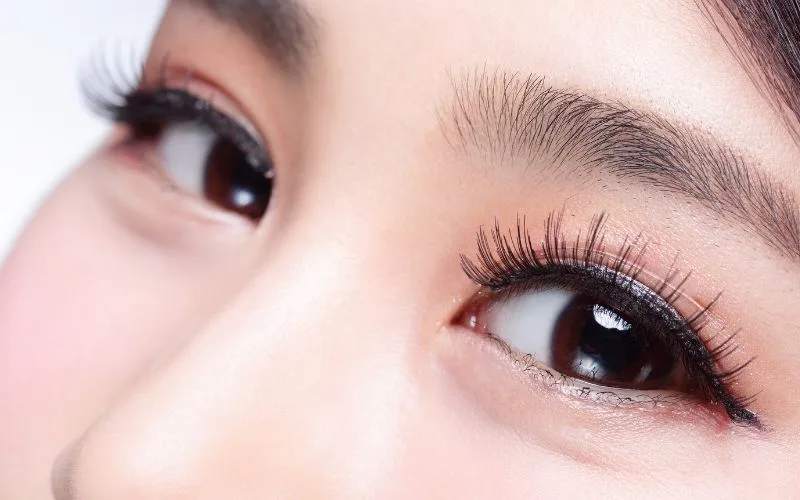
Understanding Eye Bags and Treatment Options
Even with enough sleep, many people still notice puffiness or swelling under their eyes. This is a common concern that affects both appearance and confidence. While tiredness can contribute, persistent eye bags often have deeper causes that go beyond sleep quality. Understanding what leads to the development of eye bags is the first step toward finding an appropriate solution.
What Are Eye Bags?
Eye bags are the puffiness or bulging appearance under the lower eyelids. They may occur due to natural aging, fat pad protrusion, skin thinning, or fluid retention. The skin around the eyes is among the thinnest on the face, which makes even minor changes more visible.
Eye bags are often confused with other under-eye concerns such as dark eye circles and general puffiness. Dark circles tend to appear as pigmentation or shadows under the eyes due to structural hollows, thin skin, or blood vessels beneath the surface. Puffy eyes are typically caused by temporary fluid retention and may fluctuate based on diet, sleep, or allergies. Eye bags, in contrast, tend to be more persistent and are often related to skin structure and fat movement.
Common Causes of Eye Bags
Although sleep is frequently blamed for under-eye swelling, it is rarely the sole cause. As the body ages, collagen and elastin production gradually decreases, leading to a loss of firmness and elasticity in the skin. This affects the delicate eye area, where the skin becomes less able to support the fat and tissue around the eyes. Over time, fat pads may shift forward, creating a noticeable bulge.
Genetic factors also play a role, and some individuals may naturally have more prominent fat pads or thinner skin under the eyes. Other contributors include fluid retention from a high-salt diet, hormonal changes, or sleeping in a flat position. Allergies and nasal congestion can worsen the condition by impairing lymphatic drainage. Excessive sun exposure accelerates the breakdown of collagen, while smoking affects skin quality over time.
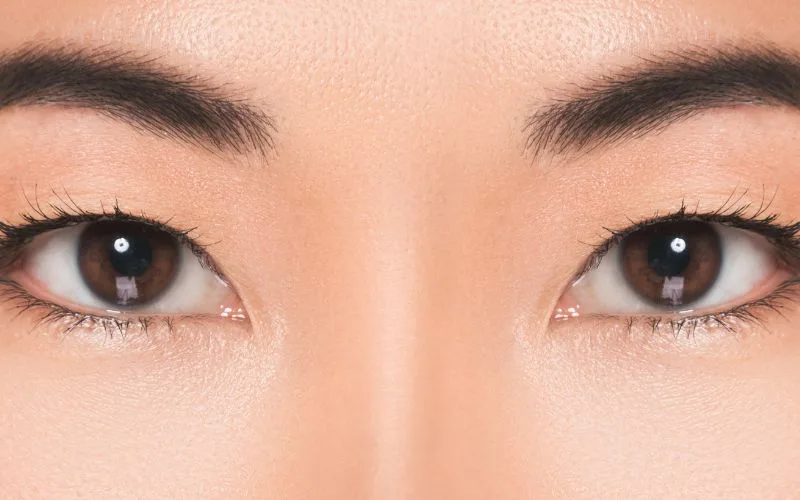
Treatment Options for Eye Bags
Non-surgical options are commonly used to manage eye bags, especially when patients want treatments without surgery or downtime. These options focus on restoring volume, improving skin firmness, or enhancing skin quality, depending on the underlying cause.
Dermal Fillers for Under-Eye Volume Loss
One of the most common contributors to visible eye bags is the loss of volume in the mid-cheek area. As volume decreases with age, the transition between the cheek and the lower eyelid becomes more pronounced, making the under-eye bulge appear more prominent.
Tear trough fillers are used to address the groove between the lower eyelid and the cheek. Fillers such as Redensity II and Maili are often chosen for the under-eye region due to their soft consistency and suitability for thin skin. In some cases, mid-cheek fillers like Ultradeep, RHA4, or Extreme are used to provide structural support and enhance results.
The procedure typically takes 15 to 30 minutes and results are visible shortly after treatment. Mild swelling or bruising may occur for a few days. Fillers in this area generally last 12 to 18 months and can be dissolved with hyalase if needed.
Thermage FLX Eyes for Skin Tightening
For those with skin laxity around the eyes, Thermage FLX Eyes uses radiofrequency to stimulate collagen production and improve firmness. Thermage delivers energy into the dermis, causing controlled heating that triggers collagen remodeling.
The treatment takes about 30 to 45 minutes with no downtime. Full effects develop over two to six months as new collagen forms, and results can last one to two years depending on skin condition and lifestyle.
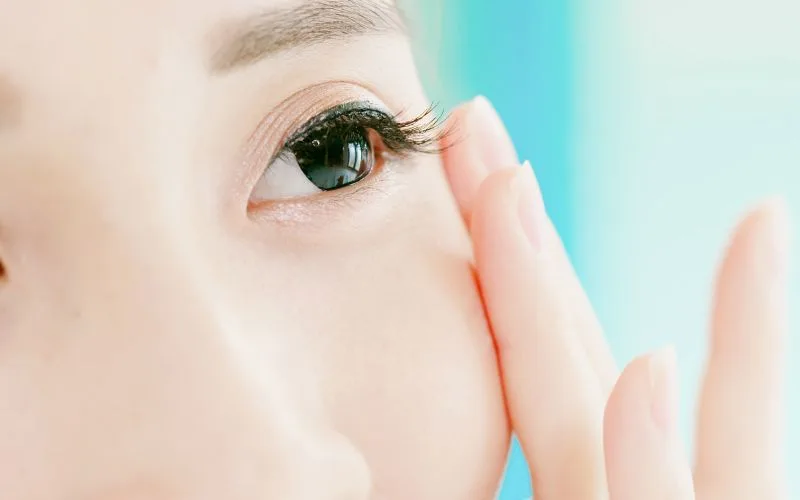
Morpheus8 for Collagen Stimulation and Fat Remodeling
Morpheus8 combines microneedling and fractional radiofrequency to target both superficial and deeper layers of the skin. It helps remodel small pockets of fat and stimulates collagen and elastin production.
The procedure takes around 30 to 45 minutes under topical anaesthesia. Mild redness or swelling may occur for a few days. Two to three sessions may be recommended, spaced four to six weeks apart, with gradual improvements over several months.
Rejuran I for Skin Quality Support
Rejuran I, also known as Rejuran Eyebooster, is an injectable polynucleotide treatment designed to improve skin thickness, elasticity, and hydration. It does not correct volume loss or fat bulging but enhances skin resilience.
Rejuran I is often used to support results from fillers or radiofrequency treatments. Multiple sessions are usually needed to achieve visible improvement.
Combining Treatments for Better Outcomes
Eye bags often result from multiple overlapping factors, so combining treatments may provide better results. For example, patients with volume loss and poor skin texture may benefit from tear trough fillers plus Rejuran I. Those with skin laxity may benefit from Thermage or Morpheus8 in combination with fillers.
This layered approach improves both structure and texture, providing a gradual and natural-looking outcome.

Choosing the Right Eye Bag Treatment in Singapore
Selecting the appropriate treatment depends on the cause of the eye bags. When hollowing or mid-face volume loss is the main issue, fillers are usually recommended. For loose or thinning skin, Thermage FLX or Morpheus8 may be more suitable. For fat protrusion with skin laxity, Morpheus8 may provide dual benefits. For improving skin resilience or reducing pigmentation, Rejuran I is often used.
Cost Considerations
Costs vary based on treatment type, number of sessions, and skin condition. Fillers are priced per syringe and often require two to three syringes. Thermage FLX Eyes and Morpheus8 are priced based on treatment area and sessions. Rejuran I typically requires multiple sessions. Non-surgical treatments offer flexibility and minimal downtime compared to surgery.
What Results to Expect
Fillers provide immediate results that improve as swelling subsides. Radiofrequency and microneedling treatments work gradually, with collagen rebuilding over months. Results aim for a refreshed appearance rather than dramatic change. Maintenance sessions may be needed to prolong effects.
Why Non-Surgical Eye Bag Treatments Are Considered
Non-surgical treatments do not require general anaesthesia or incisions. Most procedures are quick, clinic-based, and require minimal recovery time. Adjustments or reversals are possible with some treatments like fillers.
Next Steps
If you are concerned about eye bags, the first step is a medical consultation to assess the cause and identify suitable treatments. At Kowayo Aesthetic Clinic, our doctors can evaluate your under-eye condition and recommend a personalised treatment plan. Contact us for a consultation today.